Welcome to Khilji Fish World

Your ultimate guide to fish keeping, breeding, and maintaining healthy aquatic life. Explore our resources to become an expert aquarist.

Learn More

About Me

AquaWorld Founder

Rizwan, Aquarium Specialist

A highly experienced and dedicated fisheries professional with over 15 years of hands-on experience in fish farming, breeding, and healthcare. I have a proven track record of successfully managing a fish farm, ensuring optimal conditions for fish keeping, and implementing effective strategies for disease prevention and treatment. My expertise includes: Fish Breeding: Successfully managing the full breeding cycle for various fish species. Fish Keeping & Farm Management: Overseeing all aspects of daily operations, from water quality management to feeding schedules. Fish Health & Disease Control: Identifying, diagnosing, and treating common fish diseases, with a strong focus on preventative care. I am passionate about sustainable aquaculture and committed to maintaining healthy, productive fisheries.
Fish Breeding

Freshwater Fish Breeding

Betta Fish

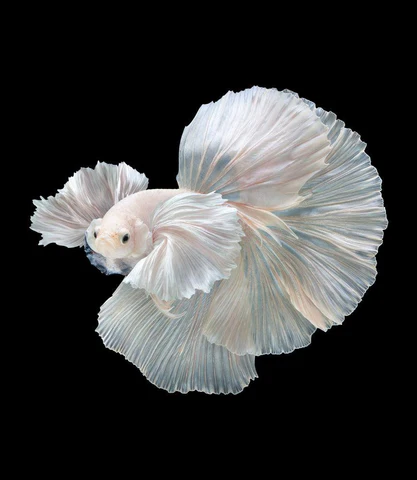
Betta fish, native to Southeast Asia, are celebrated for their vibrant colors and elaborate, flowing fins, especially in males. They are known for their territorial and aggressive nature, which is why male bettas are typically kept alone. Bettas are labyrinth fish.

Marine Fish Breeding

Gold-Fish

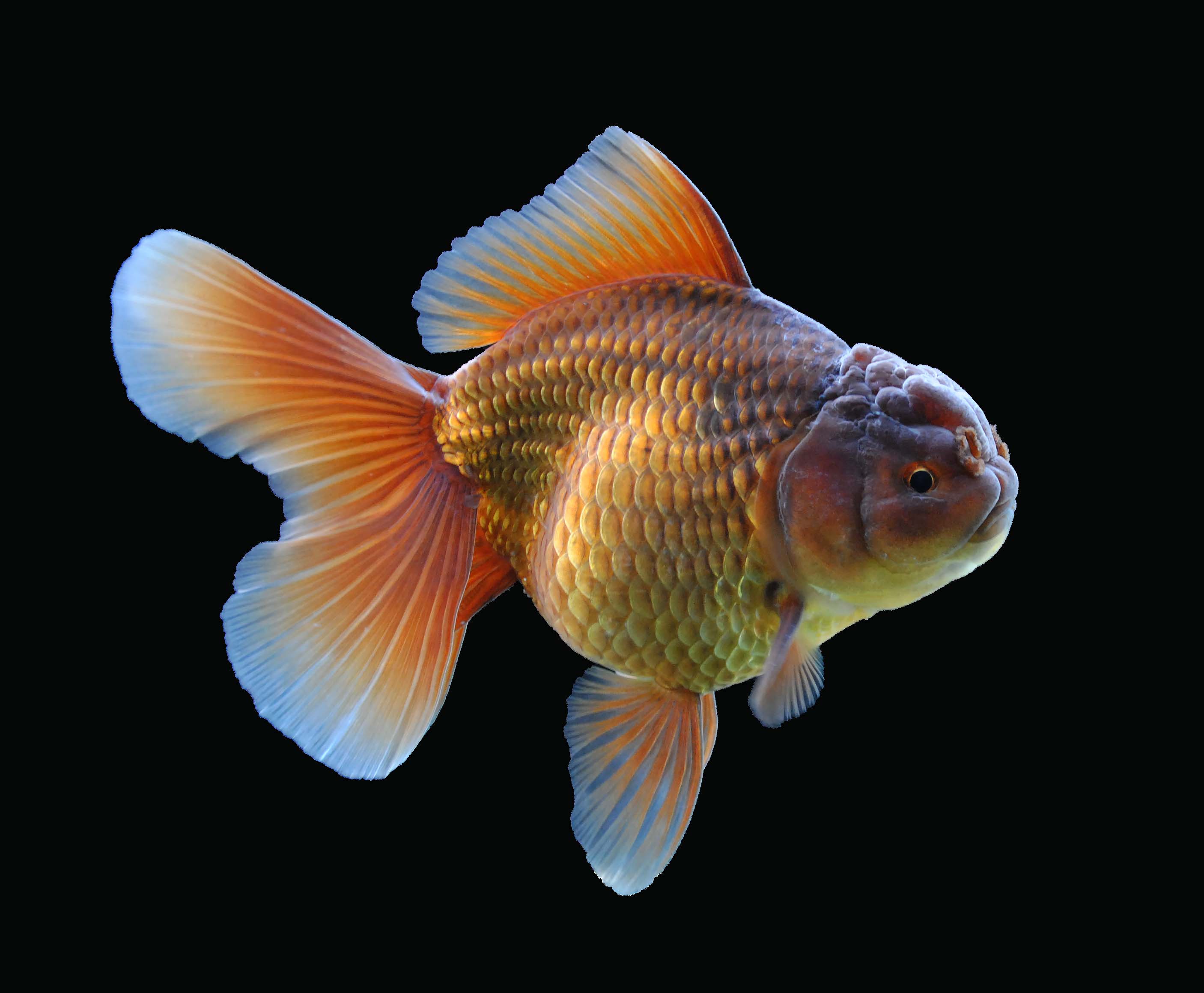
Originating from China, goldfish are one of the most common and oldest domesticated aquarium fish. They belong to the carp family and were first bred for color over a thousand years ago. While wild goldfish are typically a dull grayish-green, selective breeding has created over 125 different varieties.

Breeding Setup

Flower Horn Fish

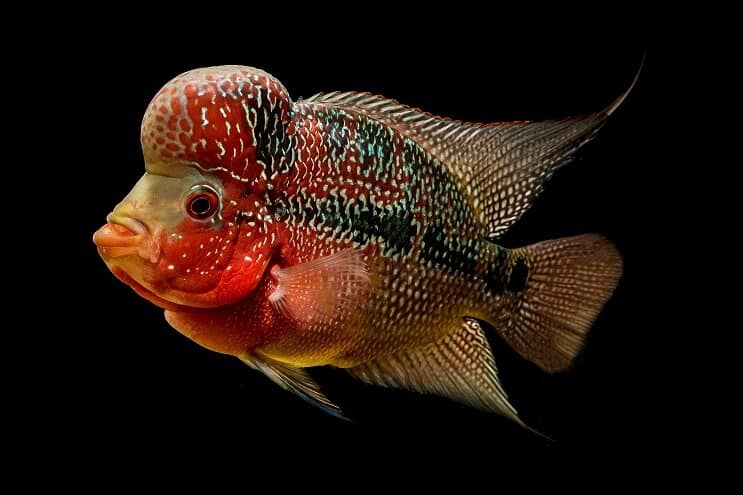
The Flower Horn is a man-made hybrid fish, created by breeders in Southeast Asia in the 1990s. They are a type of cichlid known for their distinctive and large nuchal hump (or "kok") on their forehead, as well as their bright, colorful patterns.

Fish Keeping

Tank Setup

Tank Setup

Hi! I can definitely help you with that. Fish keeping is a fascinating hobby that involves providing a suitable environment for fish to thrive. It requires a lot of care and attention, but the rewards of having a vibrant and healthy aquarium are well worth it.Fish keeping is a rewarding and engaging hobby that requires meticulous attention to the health and well-being of its aquatic inhabitants. A crucial aspect of this is maintaining the correct water temperature, as different species have specific thermal requirements for their metabolism and immune function. Any deviation from their ideal range can cause stress, making them susceptible to disease. Proper nutrition is equally vital; a balanced diet of high-quality flakes, pellets, or frozen foods tailored to the fish's specific dietary needs ensures they receive all the necessary vitamins and nutrients for growth, color, and vitality. Regular observation is key to early detection of health issues, such as changes in behavior, appetite, or the appearance of physical symptoms like fin rot or white spots. Proactive care, including consistent water quality checks and a clean environment, forms the foundation of a healthy and flourishing aquatic ecosystem.

Diseases (Ich)

Ich (White Spot Disease)

Ichthyophthirius multifiliis is a highly contagious parasitic infection that appears as tiny white salt-like spots covering the fish's body and fins. This common disease causes fish to scratch against objects and breathe rapidly, thriving in stressful conditions with poor water quality. Treatment involves gradually raising the tank temperature to 86°F (30°C) for 3-5 days combined with ich medication, while improving water conditions through frequent partial water changes.

Black Spot Disease

Caused by parasitic flatworms (trematodes), this condition appears as small black cysts or spots on the skin, fins and gills. The parasites complete their lifecycle through snails and birds, making pond fish particularly vulnerable. Effective treatment includes potassium permanganate baths and removing snails from the environment, along with improving water circulation and quality to prevent reinfection.

Swim Bladder Disorder

This common condition affects buoyancy control, causing fish to float uncontrollably, sink or swim sideways. Often caused by constipation from overfeeding dry foods, it can also result from infections or physical trauma. Treatment includes fasting for 2-3 days followed by feeding cooked, skinned peas, while severe cases may require antibacterial medication and water parameter adjustments to reduce stress.

Fish Lice (Argulus)

These visible crustacean parasites (up to 1cm) attach to fish bodies using hook-like appendages, causing irritation, inflammation and secondary infections. Manual removal with tweezers followed by salt dips can eliminate adult lice, while insect growth regulator medications treat younger stages. Quarantining new fish and disinfecting nets between tanks helps prevent outbreaks of these damaging parasites.

Get In Touch

Have questions about fish keeping? We're here to help!

Email Us

khiljifishguroo786@gmail.com

Typically replies within 24 hours

Call Us

+92 305-4699277

Mon-Fri: 9AM - 6PM

WhatsApp

Chat instantly

24/7 support

Our Location

Fish Street, Sheikhupura, Pakistan